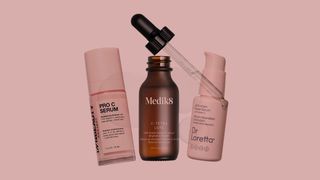
 Collage: Jemeria Davison; Source images: Courtesy of brandsSave this storySave this story
The best vitamin C serums do a lot more than give your skin a nice glow (though we're certainly not complaining about that). This powerhouse antioxidant can help fade dark spots, even out skin tone, and protect against environmental damage that contributes to premature aging. It also supports and strengthens collagen production, which means smoother-looking fine lines and wrinkles over time.
TL;DR: After testing dozens of formulas and consulting board-certified dermatologists, we named the Best of Beauty Hall of Famer, SkinCeuticals C E Ferulic, as our top pick. For sensitive skin, we love Dr. Loretta's Repair Serum, but there are plenty of other standout options depending on your skin's needs.
Our Top Vitamin C Serums
- Best Overall: SkinCeuticals C E Ferulic, $185
- Best for Sensitive Skin: Dr. Loretta Repair Serum, $110
- Best for Acne Scars: Revision Skincare C+ Correcting Complex 30%, $190
But before you grab the serum with the highest vitamin C percentage, know that more isn't necessarily better—and it also depends on the type. L-ascorbic acid, the purest and most studied form, is effective but can sometimes irritate sensitive skin, while derivatives like tetrahexyldecyl ascorbate (THDA) and sodium ascorbate tend to be gentler. “One common misconception is that there is a single best vitamin C serum that will suit every skin type,” says Jessica Weiser, MD, a board-certified dermatologist based in New York City and Aspen.
Frequently Asked QuestionsLargeChevron
- What does vitamin C do for the skin?
- What to look for in vitamin C serums
- Types of vitamin C
- Concentrations
- Accompanying ingredients
- When to use vitamin C serum
- Meet the experts
- How we test and review products
- Our staff and testers
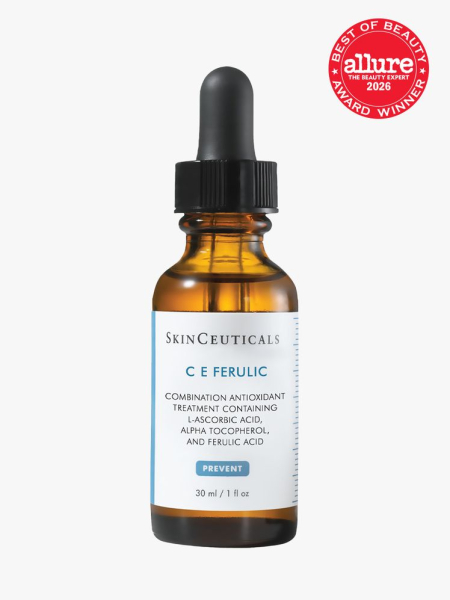
Best Overall: SkinCeuticals C E Ferulic
 Save to wishlist
SkinCeuticals
C E Ferulic
SkinCeuticals
Dermstore
Bluemercury
Allure executive beauty director Jenny Bailly applying the SkinCeuticals C E Ferulic
Jenny Bailly
Why it's worth it: When it comes to vitamin C serums, few products have earned as much praise (or as many awards) as SkinCeuticals C E Ferulic. With seven total wins—most recently in the 2026 Splurge category—it's solidified itself as an Allure Best of Beauty Award Hall of Famer, thanks to its ability to soften the look of wrinkles, fade dark spots from sun damage, and defend skin against environmental stressors. And if you've been using it for years, don't worry: The brand's recent reformulation hasn't messed with the ingredients that made it so popular in the first place. You'll still find the same combination of 15% pure L-ascorbic acid (vitamin C), 1% vitamin E, and 0.5% ferulic acid.
What has changed is the addition of two ingredients. The first is 0.3% carnosine, a peptide that protects against glycation, a process in which sugars react with proteins like collagen and contribute to wrinkles and loss of firmness over time. The second is 1% endophytol, a dandelion-derived ingredient that helps fight oxidative stress and inflammation, both of which can contribute to premature signs of aging. Essentially, SkinCeuticals kept the original antioxidant trio and added extra support for aging skin concerns.
It's also worth noting that the patent on C E Ferulic's original ingredient blend has expired, so other brands can now use the same combination of antioxidants. But that doesn't necessarily mean every serum with those three ingredients will perform the same way. As cosmetic chemist Perry Romanowski previously explained, “Somebody can put in vitamin C, not stabilize it, put in the vitamin E and ferulic acid, and then say it's the same as SkinCeuticals.” Between the long track record, updated formula, and the fact that you only need a few drops at a time, there are multiple reasons why people keep coming back to it. Albeit priced much higher than other serums in its category, this one product “helps dramatically with the improvement of fine lines, skin firmness, and overall brightening,” Shereene Idriss, MD, a New York City-based board-certified dermatologist, previously told Allure.
Tester feedback from executive beauty director Jenny Bailly
LargeChevron
"I’ve been blending four drops of this antioxidant serum on my bare skin (under sunscreen, of course) every morning for about a decade. Every time I stray, my hyperpigmentation rises up to let me know I made a grave mistake." —Jenny Bailly, executive beauty director
Tester feedback from senior staff writer Elizabeth Gulino
LargeChevron
"I’ve been using SkinCeuticals' C E Ferulic consistently for almost a year now. When I first heard about the formulation change, I was worried that the efficacy would be compromised but I haven’t noticed a significant difference—whether that’s in the product’s texture, scent, feel, and how it makes my skin look. I use it every morning in my skin-care routine—while that changes often, I always follow up with an SPF. At least four days a week I put makeup on, and have never had an issue with how it’s worn under my favorite cosmetics. I’ve tried other vitamin C serums here and there, but always come back to SkinCeuticals. Not only is it highly recommended, but I’ve seen a ton of improvement in my skin texture and fine lines over the past year." —Elizabeth Gulino, senior staff writer
More to know
LargeChevron
- Type of vitamin C: 15% L-ascorbic acid
- Other key ingredients: 1% vitamin E, 0.5% ferulic acid, 0.3% carnosine, 1% endophytol
- Fragrance-free: yes
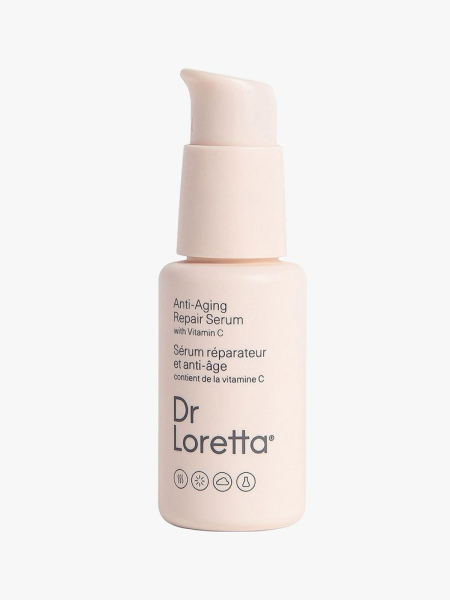
Best for Sensitive Skin: Dr. Loretta Repair Serum
 Save to wishlist
Dr. Loretta
Repair Serum
Shop
Dermstore
Revolve
Allure senior commerce director Shanna Shipin applying the Dr. Loretta Repair Serum
Why it's worth it: Have traditional vitamin C serums left your skin red or irritated? Then Dr. Loretta’s Repair Serum might be worth a try. It uses tetrahexyldecyl ascorbate (THDA), an oil-soluble form of vitamin C that helps brighten uneven skin tone and protect against free-radical damage from UV exposure and pollution, without requiring the acidic environment of pure vitamin C. “Unlike L-ascorbic acid, which is water-soluble and requires a low pH to remain stable, THDA is pH-independent,” Jenny Liu, MD, a board-certified dermatologist based in Minneapolis, previously told Allure. “This makes it less irritating and suitable for sensitive skin, as it bypasses the need for an acidic environment, which can sometimes cause redness or stinging.” The formula also contains lilac stem cell extract to provide additional antioxidant protection and help balance excess oil, plus two types of marine algae that hydrate skin and support collagen production.
Our testers were especially impressed by how lightweight and comfortable it felt. The serum absorbed quickly without leaving behind any stickiness or noticeable scent, and even our tester with eczema-prone, chronically dehydrated skin experienced no redness, flaking, or irritation. One small downside: You may need a full pump to cover your face, which can make the relatively small bottle go faster than you'd like.
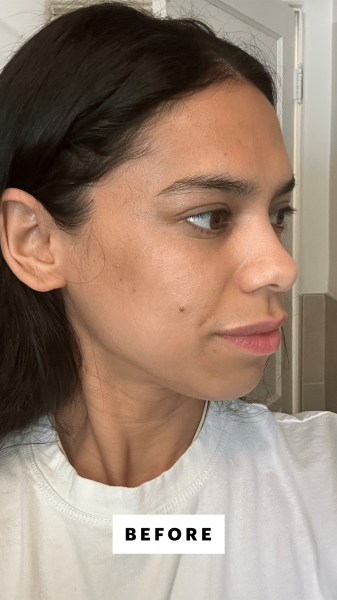
Shipin before applying the Dr. Loretta Anti-Aging Repair Serum
Shanna Shipin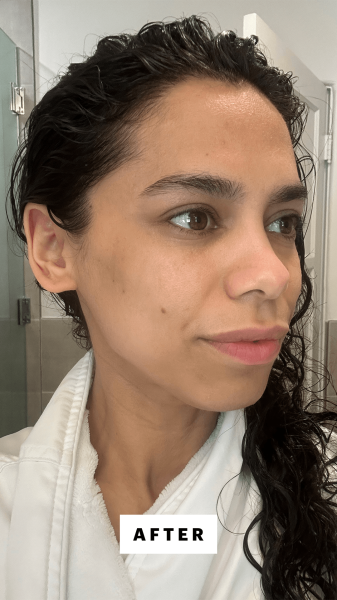
Shipin after using the Dr. Loretta Anti-Aging Repair Serum for two months
Shanna Shipin
Tester feedback from senior commerce director Shanna Shipin
LargeChevron
“For the longest time, I steered clear of vitamin C serums—partially at the behest of my dermatologist, who was concerned that my facial eczema would flare up miserably if I used a corrective serum. It wasn't until I realized what allergens were causing my flare-ups that I decided to go in on a vitamin C, and I found the perfect one for me in Dr. Loretta's Anti-Aging Repair Serum. I've used it for a few months, and I believe it's helped address my biggest concerns of uneven skin tone (caused by years of relentless sun exposure in Southern California) and rough texture (caused by hormonal acne)." —Shanna Shipin, senior commerce director
More to know
LargeChevron
- Type of vitamin C: 3% tetrahexyldecyl ascorbate (THDA)
- Other key ingredients: lilac stem cells, marine algae extracts (Undaria pinnatifida and Alaria esculenta)
- Fragrance-free: yes
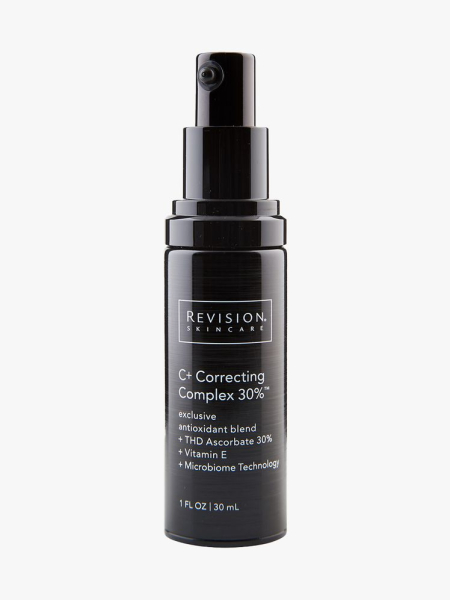
Best for Acne Scars: Revision Skincare C+ Correcting Complex 30%
 Save to wishlist
Revision Skincare
C+ Correcting Complex 30%
Amazon
Dermstore
Allure contributing commerce editor Deanna Pai applying the Revision Skincare C+ Correcting Complex 30%
Deanna Pai
Why it's worth it: Revision Skincare is a longtime favorite among dermatologists, including Chicago-based board-certified dermatologist Caroline Robinson, MD, who's been using the brand for years. Its C+ Correcting Complex 30% has earned a loyal following because it packs a hefty 30% concentration of THDA, a form of vitamin C that tends to be easier on sensitive skin than traditional L-ascorbic acid, even at higher concentrations. But that's not all: "It also contains patent-pending MelaPATH technology, making it one of the most advanced vitamin C products on the market," Tiffany Clay, MD, a board-certified dermatologist based in Atlanta, previously told Allure. This proprietary blend of antioxidants brightens uneven skin tone while also supporting the skin's natural production of vitamins C and E for an extra boost against discoloration.
Tester feedback from contributing commerce editor Deanna Pai
LargeChevron
“I've used a lot of vitamin C serums in my day, but this one has beaten out the competition: It comes in an airtight pump (no oxidation, thank you), doesn't have any noticeable scent, and is easy to smooth onto skin before my moisturizer. It's kind of everything I want in a skin-care product—effective and invisible. And after six weeks of using it, I've noticed a big difference in the hyperpigmentation on my face, which is a combination of generally uneven skin tone and dark spots from acne. My acne-prone skin looks overall brighter and calmer, and some specific spots have faded in a handful of weeks, which is a record for me.” —Deanna Pai, contributing commerce editor
More to know
LargeChevron
- Type of vitamin C: 30% tetrahexyldecyl (THD) ascorbate
- Other key ingredients: lilac stem cells, marine algae extracts (Undaria pinnatifida and Alaria esculenta)
- Fragrance-free: yes
Best for Dry Skin: Medik-8 C-Tetra Luxe
 Save to wishlist
Medik8
C-Tetra Luxe
Amazon
Dermstore
Shop
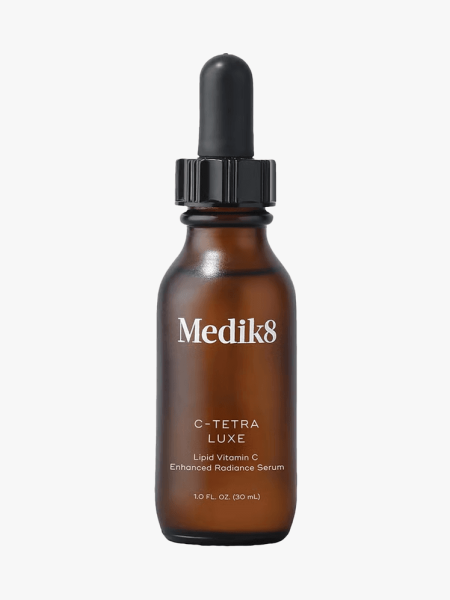
Why it’s worth it: Vitamin C isn't an inherently drying ingredient on its own, but if you already have dry skin or use retinol at night, why not get a little extra moisture out of your morning serum? Medik8 C-Tetra Luxe does both, combining 14% THD ascorbate to help brighten dark spots and uneven skin tone with a generous dose of moisturizing ingredients, such as “squalane to soften skin and prevent moisture loss and essential fatty acids like jojoba and passionfruit seed oils," says Chelsea Hoffman, MD, a board-certified dermatologist based in New York City. There's also vitamin E, which provides additional antioxidant protection.
“It has a rich, oil-based delivery system that feels more nourishing,” especially if you're dealing with dryness, Sandra Oska, MD, a board-certified dermatologist based in Los Angeles and Santa Monica, California, previously told Allure. That said, our oily-skinned testers found it a bit too rich, so Medik8’s C-Tetra Advanced Gel-Serum may be a better fit if you prefer something more lightweight. (Just keep in mind that the serum’s 20% concentration of THDA makes it a better option for those who already have some experience with vitamin C.)
Tester feedback from content director Sophia Panych
LargeChevron
“It doesn't burn, tingle, or turn my face red, even though it contains 14% tetrahexyldecyl ascorbate (that would be thanks to the soothing and barrier-coddling squalane, maracuja oil, and vitamin E). Instead, it left my skin looking fresher, brighter, and smoother over time.” —Sophia Panych, content director
More to know
LargeChevron
- Type of vitamin C: 14% tetrahexyldecyl ascorbate
- Other key ingredients: squalane, vitamin E, jojoba seed oil, passionfruit seed oil, essential fatty acids
- Fragrance-free: free of synthetic fragrances but contains essential oils like grapefruit peel
Best for Mature Skin: Alastin C-Radical Defense Antioxidant Serum
 Save to wishlist
Alastin Skincare
C-Radical Defense Antioxidant Serum
Amazon
Shop
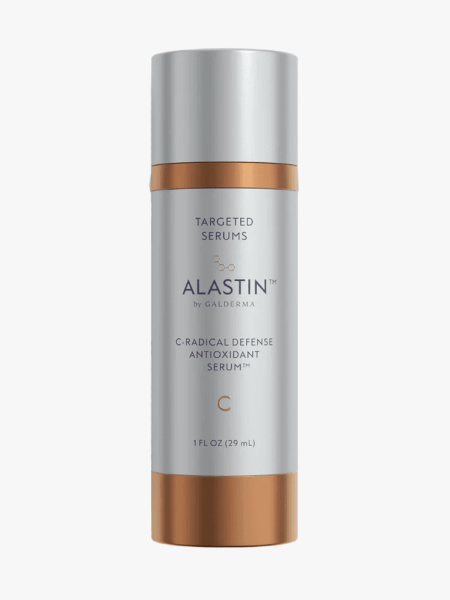
Why it’s worth it: As skin matures, it's not just dullness and hyperpigmentation you might be dealing with. Collagen production slows, making fine lines and wrinkles more noticeable, while declining oil production and a less efficient moisture barrier can leave skin drier, more easily irritated, and prone to redness. Luckily, Alastin’s C-Radical Defense Antioxidant Serum has more than just brightening on its to-do list.
For starters, it tackles uneven skin tone with sodium ascorbate, a gentler form of vitamin C that's encapsulated in tiny lipid-based spheres and gradually released to minimize irritation. "I have rosacea, and this is one of my go-to vitamin C products," says Dr. Hoffman. Antioxidants like CoQ10, green tea, and ergothioneine protect against oxidative stress that can contribute to wrinkles and loss of firmness, while carnosine defends collagen against glycation.
And for those with dry skin, the formula includes glycerin, squalane, and tremella mushroom extract to keep it hydrated and soft. Calming ingredients like Centella asiatica (a.k.a. cica) and bisabolol are a nice bonus, especially if your skin has become more reactive with age. Another perk is that it has a slightly more lotion-like texture than a watery serum, making it a comfortable alternative to acidic vitamin C formulas that can sometimes sting sensitive skin.
More to know
LargeChevron
- Type of vitamin C: encapsulated sodium ascorbate (concentration undisclosed)
- Other key ingredients: carnosine, ectoin, CoQ10, ergothioneine, squalane, glycerin, green tea extract, Centella asiatica
- Fragrance-free: yes
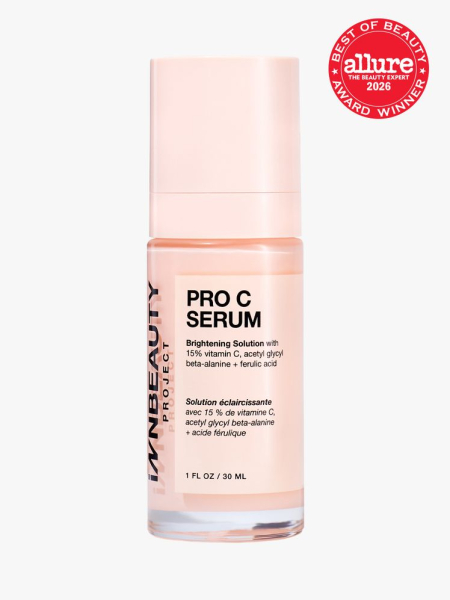
Best for Melasma: InnBeauty Project Pro C Serum Brightening Solution
 Save to wishlist
InnBeauty Project
Pro C Serum Brightening Solution
Amazon
Shop
Sephora
Why it’s worth it: Melasma is especially tricky to treat because hormones, sun exposure, and even skin irritation can keep triggering excess pigment production, making dark patches difficult to fade and easy to bring back. Enter InnBeauty Project’s Pro C Serum Brightening Solution, which has a lot more going for it than vitamin C alone. The 2026 Best of Beauty Award winner uses a 15% Multi-Vector Vitamin C Complex, which combines three forms of vitamin C to tackle uneven skin tone from different angles: L-ascorbic acid provides antioxidant protection and helps fade discoloration, THD ascorbate is an oil-soluble derivative that tends to be gentler on sensitive skin, and 3-O-ethyl ascorbic acid offers another stable form of vitamin C to help improve the look of dark spots. It also stands out for its lineup of pigment-fighting ingredients, including tranexamic acid, alpha-arbutin, hexylresorcinol, and niacinamide. They work in different ways to slow excess pigment production and keep dark spots from becoming more noticeable.
The formula also contains peptides and an FGF-2 growth factor designed to support skin repair, along with ferulic acid to ward off free radicals that can worsen discoloration over time. And since irritation can make pigmentation worse, it's nice to see panthenol, allantoin, and cica in the mix, too. It's a good option if you want to tackle discoloration from several angles without having to layer a handful of separate brightening serums. Just keep in mind daily sunscreen application (and reapplication) is still essential, no matter how many brightening ingredients your serum contains.
Tester feedback from Bailly
LargeChevron
"I am religious about applying a vitamin C serum before my sunscreen every morning, and the silky gel-cream texture of this one makes it feel like a treat, not a task. Even better, after using it for a month last summer, my melasma looked less stark." —Jenny Bailly, executive beauty director
Tester feedback from commerce editor Sarah Han
LargeChevron
“My morning skin-care routine is incomplete without a vitamin C serum, and I find that 15% is the sweet spot. (I've gotten feedback that a 20% vitamin C serum was drying my skin out!) What's intriguing about Innbeauty's 15% vitamin C complex is the blend of super-stable derivatives, including THD, one of my personal favorites because it penetrates your skin more effectively and is overall gentler than your standard ascorbic acid. I've noticed some pesky sun spots near my hairline fade a bit over a few weeks after I started using this serum. I also appreciate the inclusion of ferulic acid to further stabilize the vitamin C, and I'll always take a dose of plumping peptides in my serums. In fact, I often layer vitamin C and peptide serums, so this saves me a step! The serum itself is super lightweight, absorbs quickly, and feels refreshing—no notes there.” —Sarah Han, commerce editor
More to know
LargeChevron
- Type of vitamin C: 15% Multi-Vector Vitamin C Complex (THD ascorbate, L-ascorbic acid, and 3-O-ethyl ascorbic acid)
- Other key ingredients: tranexamic acid, alpha-arbutin, hexylresorcinol, niacinamide, FGF-2 growth factor, ferulic acid, panthenol, allantoin, Centella asiatica, squalane
- Fragrance-free: yes
Frequently Asked Questions
What does vitamin C do for the skin?
"Vitamin C is a potent antioxidant that interferes with pigment production and keeps inflammation at bay," explains Joshua Zeichner, MD, a board-certified dermatologist based in New York City. Not only that, but vitamin C also supports the production of collagen, an important protein in your body that supports your skin's elasticity and firmness.
Vitamin C's antioxidant properties also neutralize free radicals, molecules created by external factors like air pollution and sunlight, says Dr. Zeichner. Since free radicals speed up signs of aging, vitamin C helps address the fine lines they cause, too. Think of it as the ideal daytime counterpart to the retinol or exfoliating acids you might use at night to smooth skin, speed up cellular turnover, and treat acne scars left over from breakouts.
Vitamin C can also inhibit your skin's melanin production, which leads to discoloration like dark spots and hyperpigmentation, New York City-based board-certified dermatologist Patricia Wexler, MD, previously told Allure. Over time, she says, vitamin C can help prevent dark spots from forming in the first place so it looks glowy—in addition to evening out skin tone.
What to look for in vitamin C serums
Not all vitamin C serums are formulated equally—in fact, not even all forms of vitamin C are equal in effectiveness. Here are a few factors to consider when shopping:
Types of vitamin C
Vitamin C comes in a nearly endless variety of forms, but ascorbic acid, also known as L-ascorbic acid, is the gold standard for its stability and efficacy. "Pure ascorbic acid has consistently been proven to be the most effective at penetrating the skin barrier," says Dr. Wexler. Other dermatologist-approved forms of vitamin C you may come across in skin-care products include tetrahexyldecyl ascorbate, magnesium ascorbyl phosphate, and methylsilanol ascorbate.
Concentrations
Dr. Liu previously told Allure the average concentration of vitamin C in a skin-care formula is around 10% to 15%. Keep in mind that a higher concentration of vitamin C may lead to sensitivity, so sensitive skin types may want to stick to a lower percentage.
Accompanying ingredients
- Antioxidants: You’ve probably noticed that vitamin C tends to be tag-teamed with two other antioxidants, vitamin E and ferulic acid, and there’s a reason for that. "Vitamin C effectiveness increases when combined with other antioxidants, such as vitamin E,” says Dr. Wexler. “Together, they can provide double protection against free-radical damage."
- Humectants: Hydrating ingredients known as humectants, such as hyaluronic acid, glycerin, and squalane, partner well with vitamin C to boost hydration levels and ease the sting of the active ingredient, especially if you’re using a potent, high-percentage (above 15%) formula.
- Brightening ingredients: Niacinamide and tranexamic acid complement vitamin C in interfering with the pigment production process.
- Peptides: If you're seeking firmer skin, peptides (which act as messengers between skin cells) can also help supplement vitamin C's ability to dial up collagen production.
When to use vitamin C serum
Like most actives, dermatologists recommend slowly incorporating vitamin C into your skin-care routine to avoid irritation. Start with a few drops every two days, and, if your skin seems to tolerate it, you can work your way up to every day. We suggest applying vitamin C serums before moisturizer and sunscreen in the morning to get the most from the antioxidant’s free-radical-fighting power. If your skin can tolerate it, and if you want an overnight collagen boost, you can also apply it in the evening.
Meet the experts
- Tiffany Clay, MD, a board-certified dermatologist based in Atlanta
- Chelsea Hoffman, MD, a board-certified dermatologist at Hudson Dermatology & Laser Surgery based in New York City
- Shereene Idriss, MD, a board-certified dermatologist based in New York City
- Jenny Liu, MD, a board-certified dermatologist in Minneapolis and assistant professor at the University of Minnesota
- Sandra Oska, MD, a board-certified dermatologist at Dermatology Institute & Skin Care Center, based in Los Angeles and Santa Monica
- Caroline Robinson, MD, a board-certified dermatologist based in Chicago
- Jessica Weiser, MD, a board-certified dermatologist and founder of Weiser Skin MD based in New York City and Aspen
- Patricia Wexler, MD, a board-certified dermatologist based in New York City
- Joshua Zeichner, MD, a board-certified dermatologist and director of cosmetic and clinical research at Mount Sinai’s Department of Dermatology in New York City
How we test and review products
When Allure tests a product, our editors look at it from every angle to best serve you. We review ingredients, scrutinize brand claims, and, when necessary, examine peer-reviewed scientific and medical studies. In addition to testing each and every product that's included in every review, we rely on experts who shape their fields, including dermatology, cosmetic chemistry, and medicine, to help us vet the ingredients and formulas.
For our list of vitamin C serums, we considered each product's performance across five primary categories: product ingredients and efficacy, packaging, fragrance, texture, and product wear. Every product was determined to have excelled in each category by our editorial team, which is composed of in-house writers and editors as well as contributors — along with special consideration from board-certified dermatologists. To learn more information on our reporting and testing processes, read our complete reviews process and methodology page.
Our staff and testers
A beauty product is a personal purchase. You might be searching for a face cream to address persistent dryness or a new nail product to add to your Sunday self-care routine; you may simply be browsing around for the latest launches to hit the hair market. No matter what you seek or your individual needs and concerns, Allure wants to ensure that you love anything we recommend in our stories. We believe that having a diverse team of writers and editors — in addition to the wide range of outside testers and industry experts we regularly call upon — is essential to reaching that goal.
After all, can we really say a skin-care product is the "best" for people over 50 if the only testers we've solicited opinions from folks who have yet to hit 30? Can we honestly deem a high-end diffuser worthy of your hard-earned cash if it’s never been tested on curls? We're proud that our staff spans a wide range of ages, skin tones, hair textures, genders, and backgrounds, which means that we can fairly assess any beauty product that comes into the beauty closet.